

🏙️ Origin
The Manchester Terrier is one of the oldest known terrier breeds, with roots tracing back to the early 19th century. Developed in Manchester, England, by John Hulme, they were originally bred for rat hunting. The breed was created by crossing the Whippet with the now-extinct Black and Tan Terrier.
Interestingly, the Manchester Terrier has contributed to the development of other breeds, including the Doberman Pinscher and Airedale Terrier.
🎯 Purpose
There are two types of Manchester Terrier: the Toy and the Standard. The Toy variety became popular as a lapdog, while the Standard version is considered one of the most effective vermin hunters among all dog breeds.
Today, the Standard Manchester Terrier still maintains its strong hunting instincts, but both types are now primarily kept as loyal companion dogs.
🧼 Coat Care
Manchester Terriers are low-maintenance when it comes to grooming. Their short, sleek coat requires minimal care, just an occasional brush or wipe-down and baths only when necessary. Routine care should also include checking and cleaning their ears and trimming their nails regularly to keep them short and healthy.
🐕 Appearance
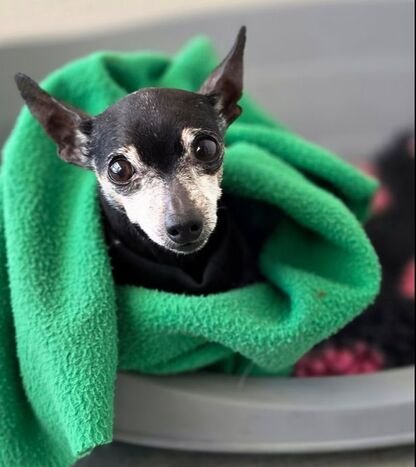
Manchester Terriers are black with distinctive tan markings.
- Toy variety: Up to 30 cm in height, weighing up to 3.5 kg
- Standard variety: Up to 40 cm in height, weighing up to 8 kg
They strongly resemble a smaller version of the Doberman Pinscher, but with more refined, terrier-like features.
💬 Temperament
True to their terrier roots, Manchester Terriers are intelligent, agile, confident, and full of character. They are highly loyal and eager to please, making them responsive to training, especially with a calm and consistent owner.
These dogs thrive on mental and physical stimulation and require at least one structured walk daily. They also enjoy more vigorous activities like running or keeping up beside you on a bike ride. Early and consistent socialisation is key, as a poorly socialised Manchester can become snappy or display aggression toward other dogs, animals, or even small children. Supervised interaction from a young age is essential.
When properly exercised and socialised, Manchester Terriers adapt well to indoor living, including apartment or unit life. They love being close to their humans and may suffer from separation anxiety if left alone for long periods. Owners should maintain a calm and assertive presence to avoid “small dog syndrome.”
Due to their strong prey drive, Manchester Terriers should not be trusted around small animals like rabbits, guinea pigs, cats, or birds.
❤️ Health
The Manchester Terrier is generally a healthy and hardy breed, with an average lifespan of 15 years or more. However, some bloodlines may be prone to glaucoma, a condition that can be screened for through responsible breeders. Always ask for health clearances when considering a puppy.
 |
 |
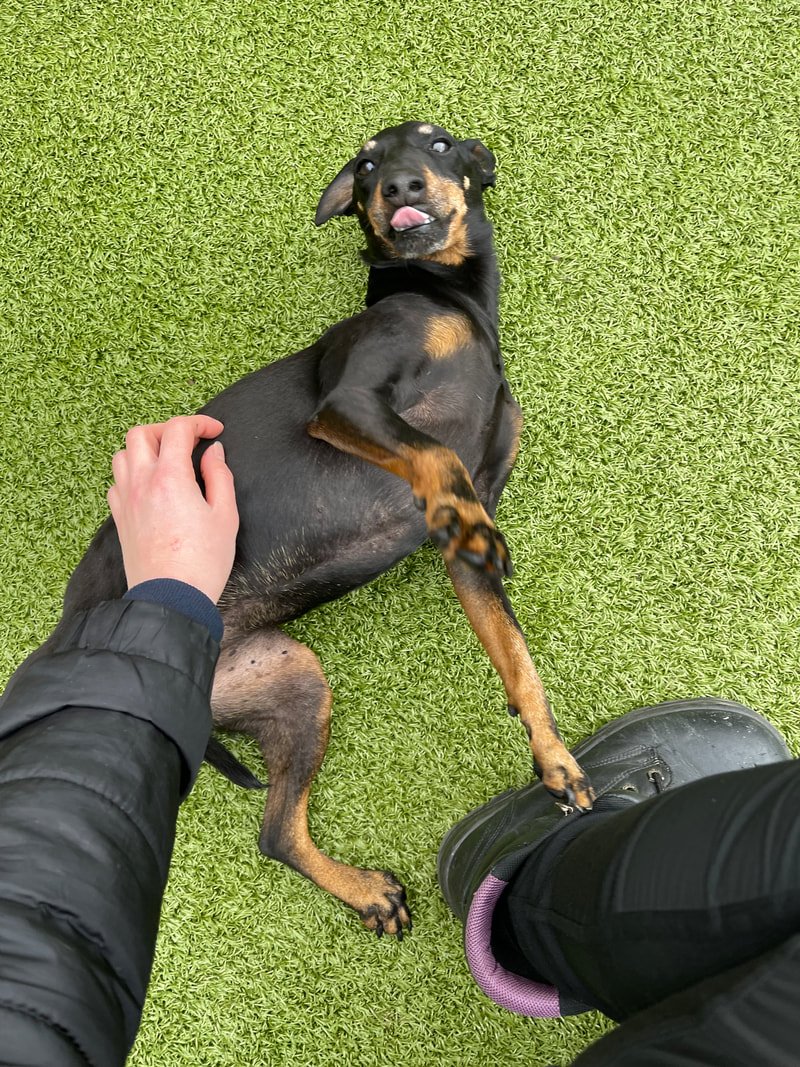
We love to see your pooches!
Share them with us at our Facebook or Instagram pages!
📸📱
Written by We Love Dogs Care Team
Our passionate resort carers, Doggy Doaters, and canine specialists dedicated to providing 7-star boutique dog boarding, health care, and advice in Melbourne.