 |
Quick Breed FactsBreed Group Toy Dog
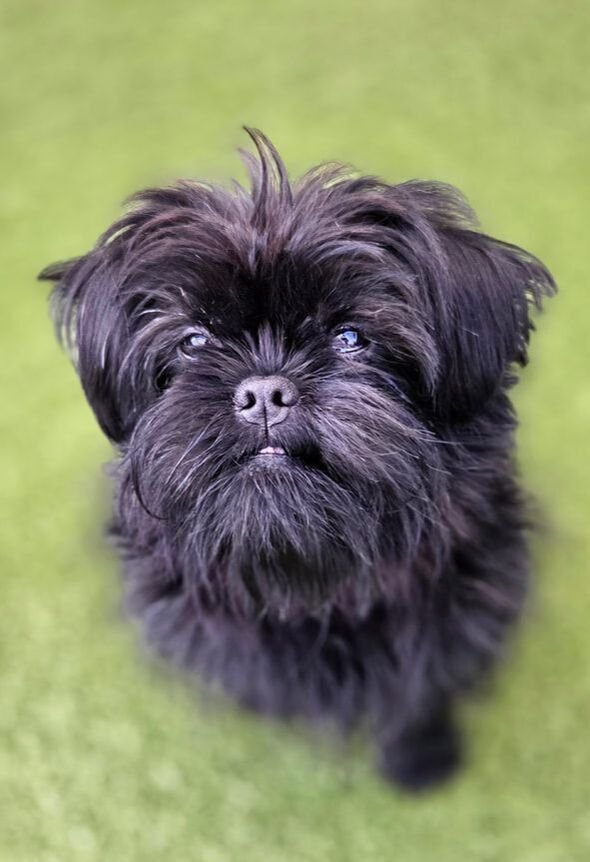
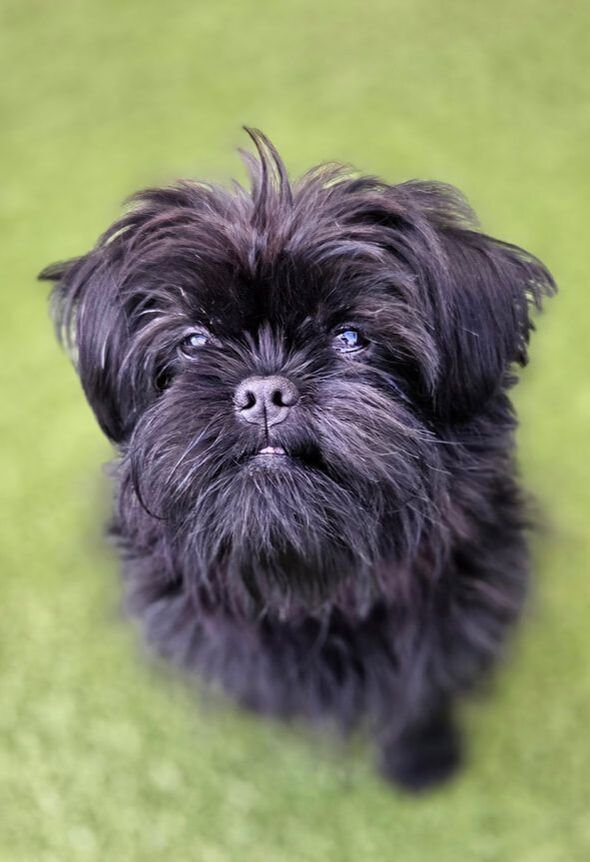
Height Up to 38cm Weight Under 4kg Lifespan 10–14 Years Coat Type Shaggy, Wire Coat Shedding Very Low Energy Level Moderate Trainability Intelligent but stubborn Suitable For Apartments, indoor living, companion homes (left, Mephisto, the Affenpinscher and our April Dog of the Month for 2026) |
🐾 Meet the Affenpinscher
Despite their tiny size, the Affenpinscher carries a huge personality and a fearless attitude that has made them a favourite companion dog for centuries.
With their amusing facial expressions, loyal nature and entertaining character, the Affenpinscher makes a wonderful companion for owners wanting a small dog packed full of confidence and charm.
🏯 History & Origin
The name “Affenpinscher” comes from the German language and translates to “Monkey Terrier,” which refers to the breed’s distinctive monkey-like facial appearance. It is widely believed the breed originated in Germany, where they were originally bred to work as ratters on farms and in homes.
Early Affenpinschers were thought to be much larger than the dogs we know today. During the 18th and 19th centuries, breeders gradually reduced their size, to cater to them becoming affectionate companion animals better suited to indoor living.
The breed eventually made its way to Australia during the late 1990s and still remains relatively rare across the world today.
🐕 Appearance
Their rough, wiry coat gives them a rugged yet adorable appearance and comes in a variety of colours including:
- Black
- Charcoal
- Silver
- Grey
- Black and tan
- Red
Although small in stature, the breed carries itself with confidence and pride. Most Affenpinschers reach up to 38cm in height and weigh under 4kg.


✂️ Grooming Requirements
Their coat should never be clipped short if owners wish to maintain the breed’s natural appearance. Instead, they require brushing several times each week to prevent knots and matting.
Bathing should only occur when necessary, as excessive bathing can affect coat texture. Professional grooming is sometimes needed, particularly around the eyes where excess hair may cause irritation. Some Affenpinschers may also require hand-plucking of loose hairs to maintain coat condition, so it is important to choose a groomer experienced with the breed.
Grooming Overview
- 💈 Brush several times weekly
- ✂️ Avoid clipping coat too short
- 🛁 Bathe only when required
- 👀 Keep hair trimmed around eyes
- 🐾 Minimal shedding year-round
❤️ Temperament & Personality
This breed forms strong bonds with their owners and generally prefers living indoors where they can remain close to their people. They do not cope well being isolated outside for long periods and are sensitive to both extreme heat and cold weather.
Although intelligent and trainable, the Affenpinscher can also be stubborn. Clear boundaries, consistency and early structure are essential from a young age.
They respond very well to positive training methods but can become bored easily, meaning mental stimulation and enrichment activities are extremely important.
Personality Traits
- Loyal and affectionate
- Confident and fearless
- Intelligent but stubborn
- Entertaining and playful
- Alert and curious
🏃 Exercise & Enrichment
A daily walk combined with enrichment activities is usually enough to satisfy their needs. Puzzle toys, training games and interactive play sessions can help prevent boredom and destructive behaviours.
Because they were originally bred as hunters and ratters, they may still have a strong prey drive. Care should be taken around smaller household pets such as:
- Rabbits
- Guinea pigs
- Mice
- Small rodents
👨👩👧 Family Suitability
They can do well with children when raised and socialised appropriately, however supervision is extremely important due to the breed’s fragile size. Serious injuries can occur if they are accidentally dropped or handled roughly.
Early socialisation also helps the breed develop positive relationships with other dogs and animals.
Best Suited For ✅
- Apartment living
- Indoor homes
- Owners wanting a low-shedding breed
- People home regularly
- Families with older respectful children
May Not Suit ❌
- Homes with rough young children
- Outdoor-only living
- Owners wanting a highly obedient breed
- Homes with small prey animals
🩺 Health Considerations
Some known concerns within the breed include:
- Fractures and injury due to their small size
- Luxating patella (slipped kneecap)
- Patent Ductus Arteriosus (PDA), a congenital heart condition
The average lifespan of the breed is approximately 10–14 years.
Written by We Love Dogs Care Team
Our passionate resort carers, Doggy Doaters, and canine specialists dedicated to providing 7-star boutique dog boarding, health care, and advice in Melbourne.