 |
 |
Public Access Rights for Assistance Dogs
Refusing someone access to a public place simply because they are with a trained assistance dog is unlawful, unless there is a legitimate exemption.
There are a few limited circumstances when access can be restricted: for instance, in areas that require sterility or pose safety risks, such as industrial kitchens or some clinical environments.
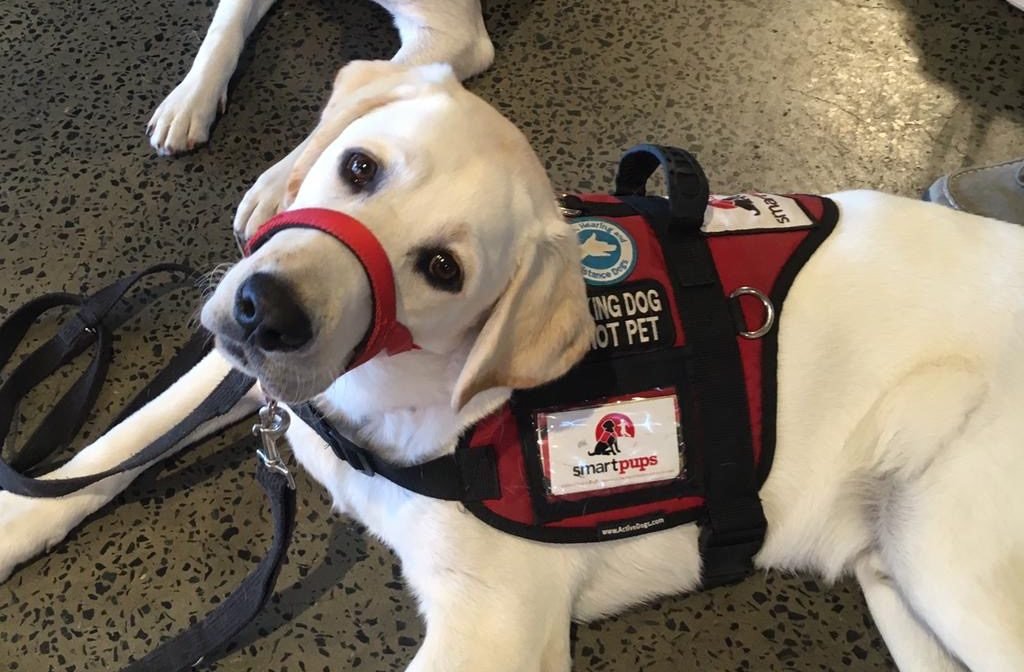
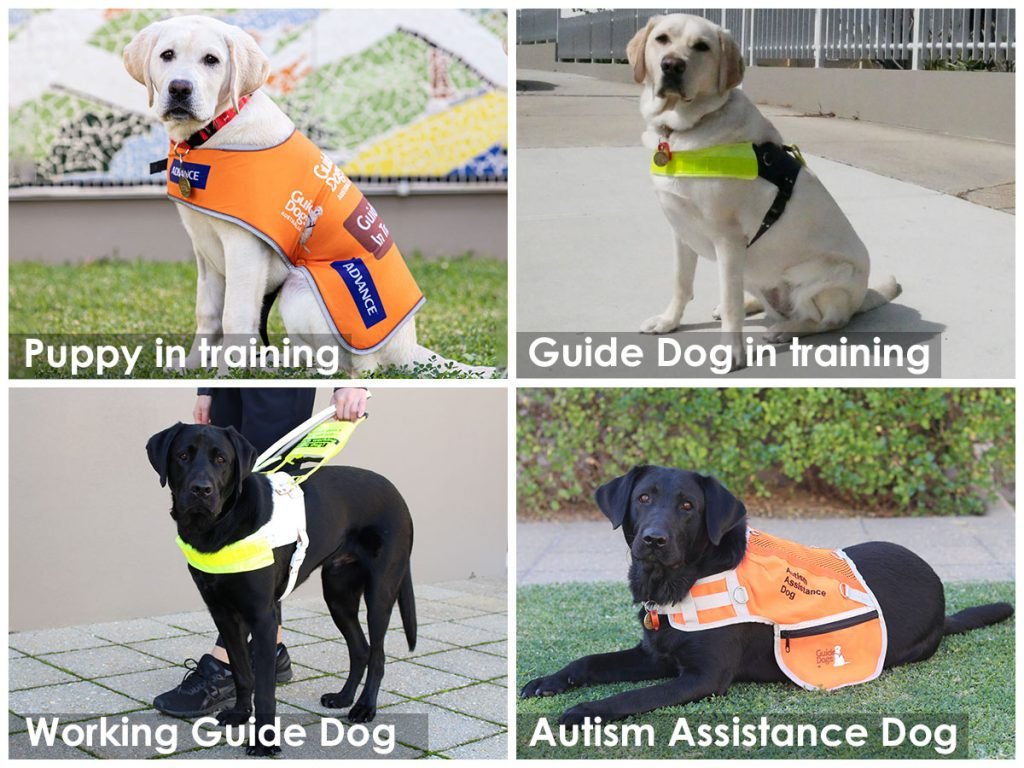
How to Recognise Assistance Dogs
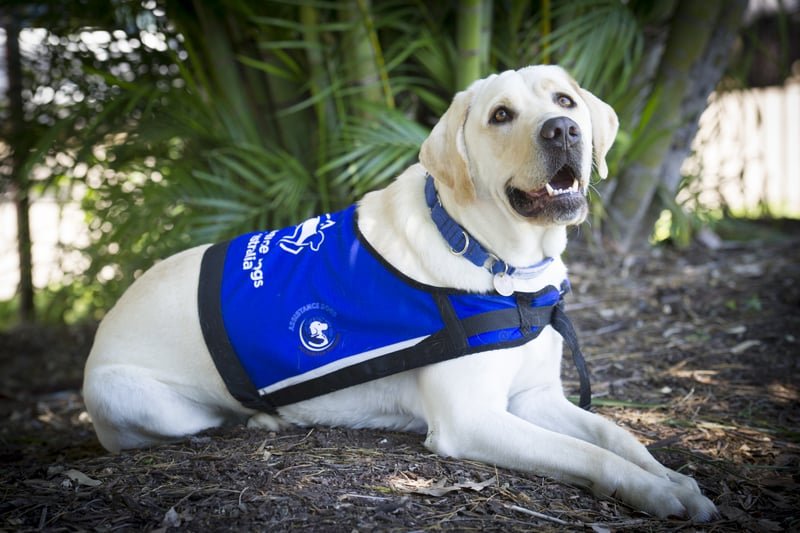
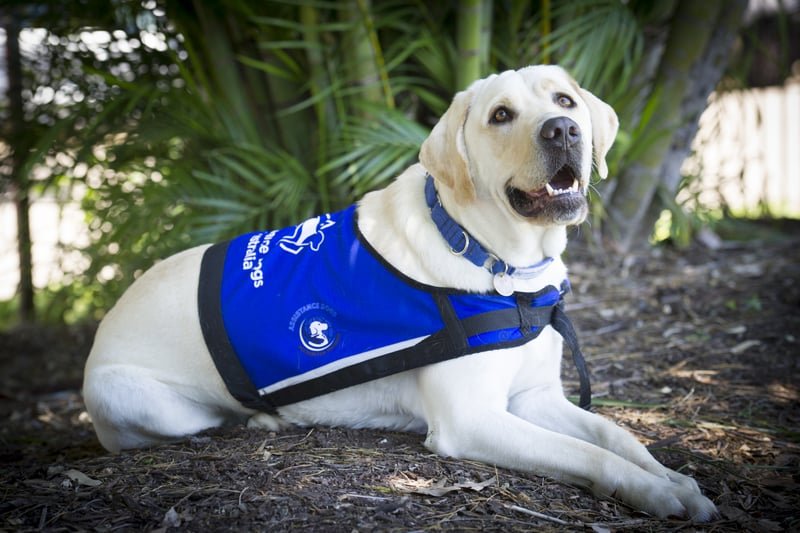
If needed, you are permitted to ask for identification. Many certified assistance dogs carry an ID card showing they are properly trained. Under the DDA, a trained and suitably behaved animal qualifies as an “assistance animal” and its handler may be asked to provide evidence of that training if required.
Who Is Responsible for an Assistance Dog?
How to Behave Around Assistance Dogs
It’s best to treat the dog as you would a mobility aid, such as a wheelchair. If you would not touch or distract a person’s wheelchair, you should not touch or distract their assistance dog.
You are welcome to speak with the handler directly, many people appreciate the interest and enjoy talking about their dogs, but some may prefer discretion or decline a conversation.
How a Dog Qualifies to Be an Assistance Dog in Australia
In parts of Australia a formal training and certification process exists. This includes a formal assessment known as a Public Access Test (PAT). The PAT confirms the dog is safe, behaves well, and that the handler can maintain control, even in public environments with distractions.
As part of that process, many accredited organisations require the dog to:
- Be fully trained in basic obedience;
- Be able to perform at least three defined tasks or disability-related functions that help mitigate the handler’s disability;
- Meet hygiene and behaviour standards appropriate for public settings;
- Demonstrate reliable and controlled behaviour in public under the PAT.
Once a dog and its handler pass all requirements, they are typically issued a handler ID card (or other official recognition) that confirms their legal status as an assistance dog.
It’s worth noting that while some Australian states and territories have formal registration or accreditation schemes (for instance under the Guide, Hearing and Assistance Dogs Act 2009), this is not universal. In some states, assistance dog accreditation or registration is voluntary or absent.
Nevertheless, under federal law (the DDA), a properly trained assistance dog still has public access rights, whether or not the handler has gone through a formal registration process
Written by We Love Dogs Care Team
Our passionate resort carers, Doggy Doaters, and canine specialists dedicated to providing 7-star boutique dog boarding, health care, and advice in Melbourne.