🔄 What Is the Hair Growth Cycle in Dogs?
1. Growth (Anagen)
This is the active growth stage where hair grows from the follicle. Depending on the breed, this process can last anywhere from a few weeks to several years.
2. Resting (Telogen)
At this stage, the hair has stopped growing but remains attached to the follicle in a dormant state.
3. Transition (Catagen)
During this process, the hair stops growing completely and begins detaching from the follicle.
4. Exit (Exogen)
The dead hair sheds from the coat, making way for a new Anagen growth cycle to begin.
The timing and function of these stages vary greatly between dogs. Factors such as genetics, age, hormones, health, breed type, and daylight exposure all influence how a dog’s coat grows and sheds.
🐕🦺 How Often Will My Dog Shed Dead Coat?
Double and triple coated breeds usually experience two major shedding seasons each year, often during significant temperature and seasonal changes. This helps regulate body temperature for both warmer and cooler weather.
Wool coated breeds, such as Poodles, shed very minimally because their coat continuously grows rather than cycling through heavy shedding phases like many other breeds.
⚠️ What Happens If Dead Coat Is Not Removed?
As mats tighten, they pull on the skin and can become extremely painful for the dog. Moisture trapped beneath matting can also lead to skin irritation and hot spots, which may quickly become infected if left untreated.
Over time, new fur continues growing into existing mats, creating an ongoing cycle of discomfort and skin damage. In severe cases, the only way to provide relief is to shave the coat down to the skin so healthy new fur can regrow properly.
✨How Do You Remove Dead Coat?
Some dogs require daily brushing, while others may only need brushing every few days or a few times per week. Regular grooming helps remove dead coat before it builds up and mats, while also clearing away dirt, debris, and garden material trapped in the fur.
Removing debris from the coat also helps prevent knots from forming and keeps the skin healthier overall.
During heavy shedding periods, especially during seasonal changes such as Summer to Winter or Winter to Summer, daily brushing with the correct tools is recommended. When done properly, this process is completely safe and comfortable for your dog.
For heavy shedders, professional grooming can make a big difference. Groomers often use high velocity drying systems to safely loosen and remove dead coat quickly and effectively.
When brushing your dog, remember to focus on all areas of the coat, including:
- Behind the ears
- Under the arms
- The stomach area
- Around the hind legs
- Around the tail
Any area with fur can trap dead coat and develop matting if neglected.
🧰 What Tools Should I Use to Maintain My Dog’s Coat?
Common grooming tools include:
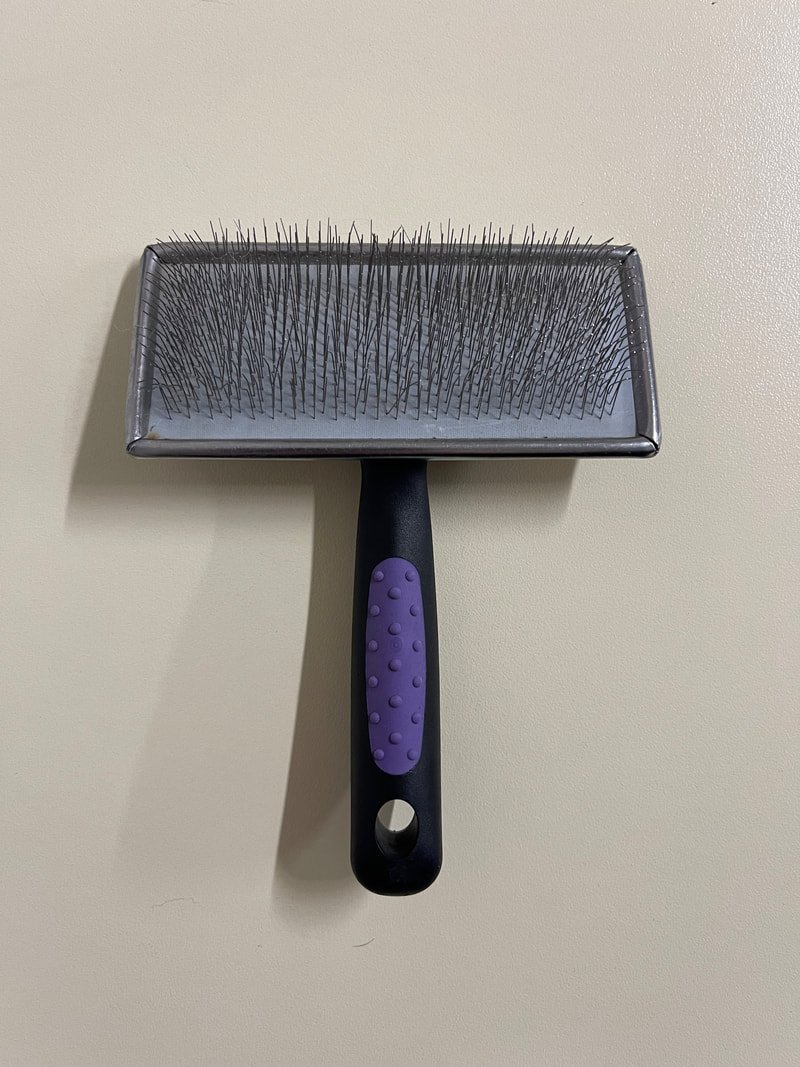
- Slicker brushes
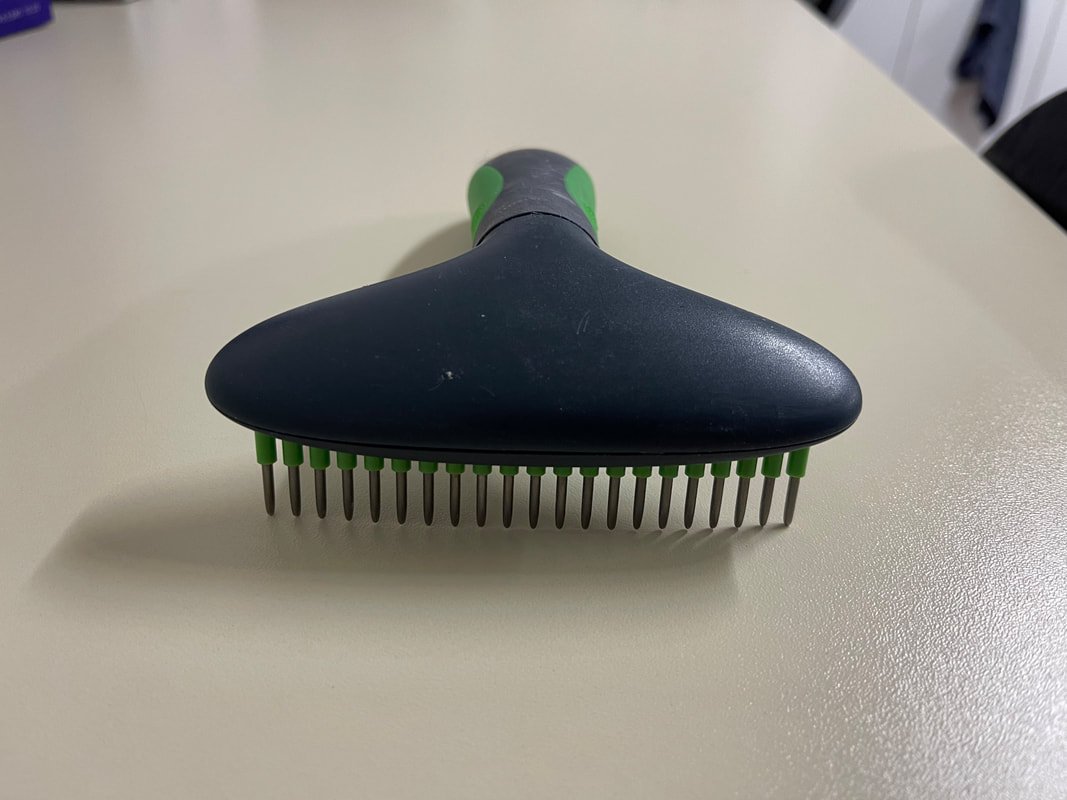
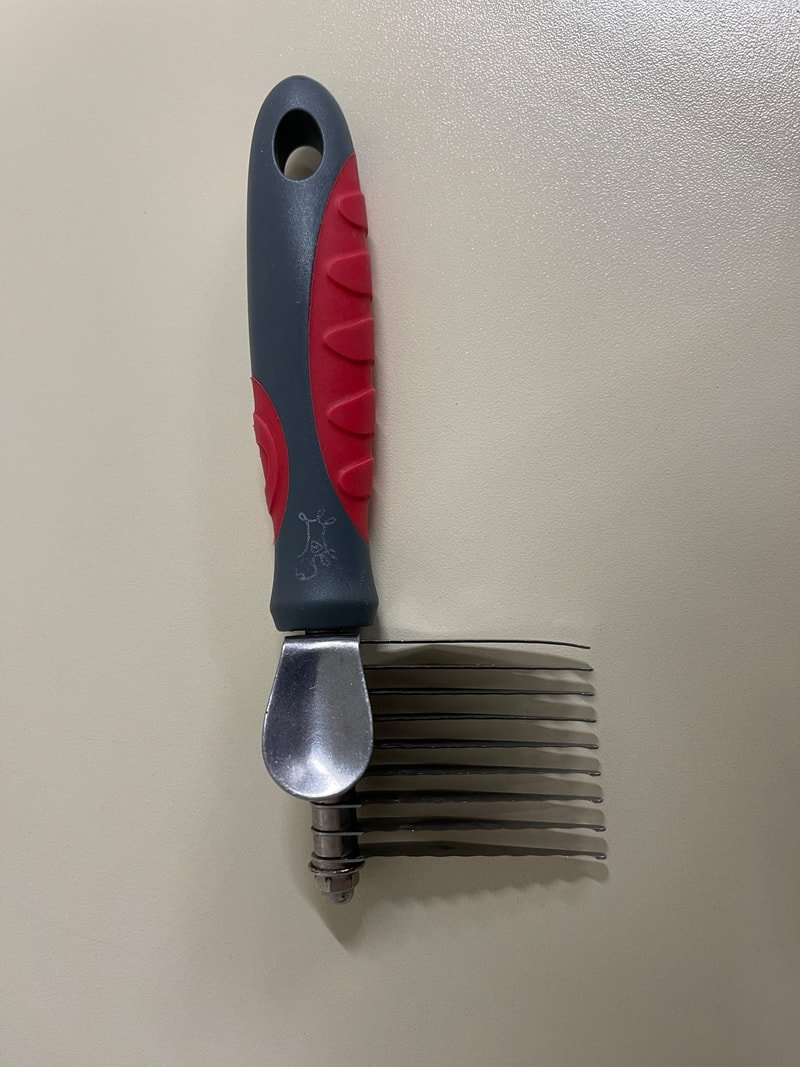
- Undercoat rakes
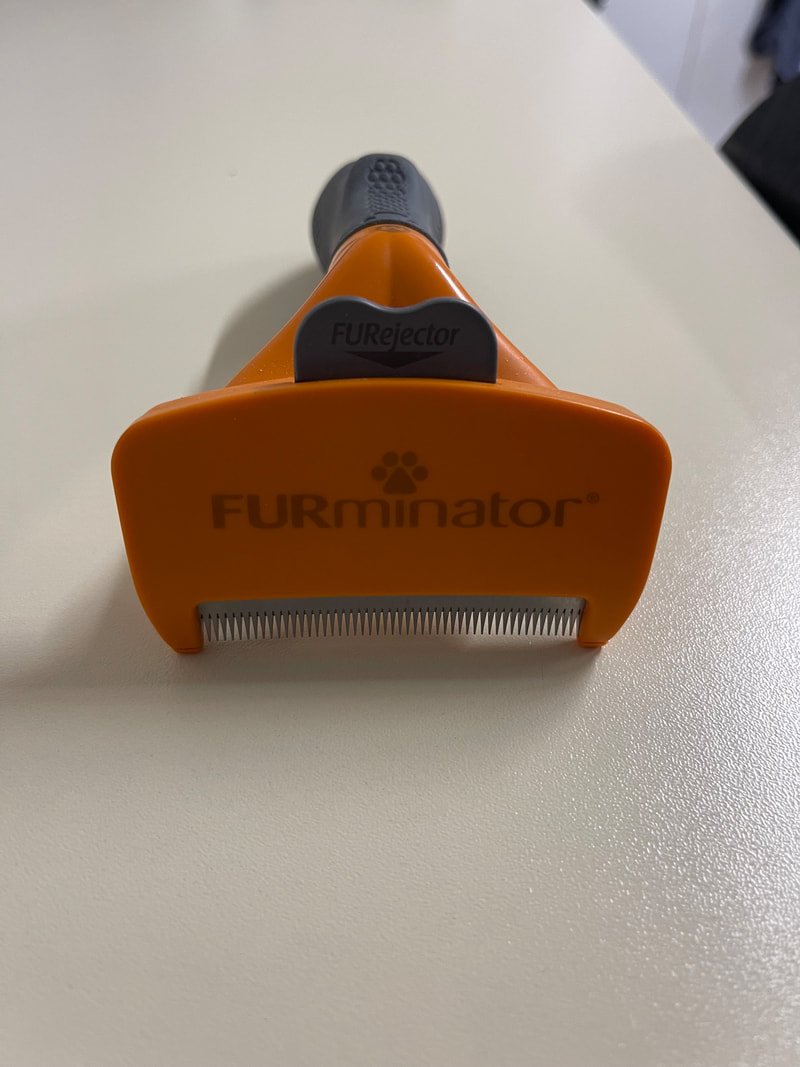
- Deshedding brushes
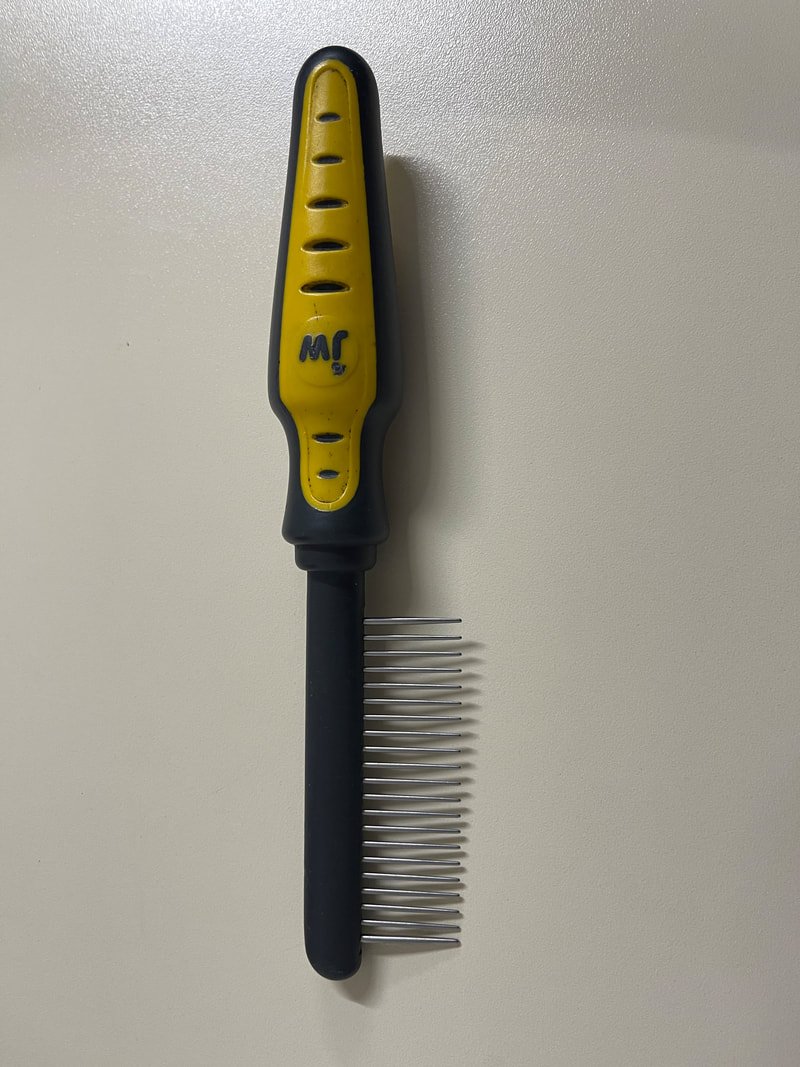
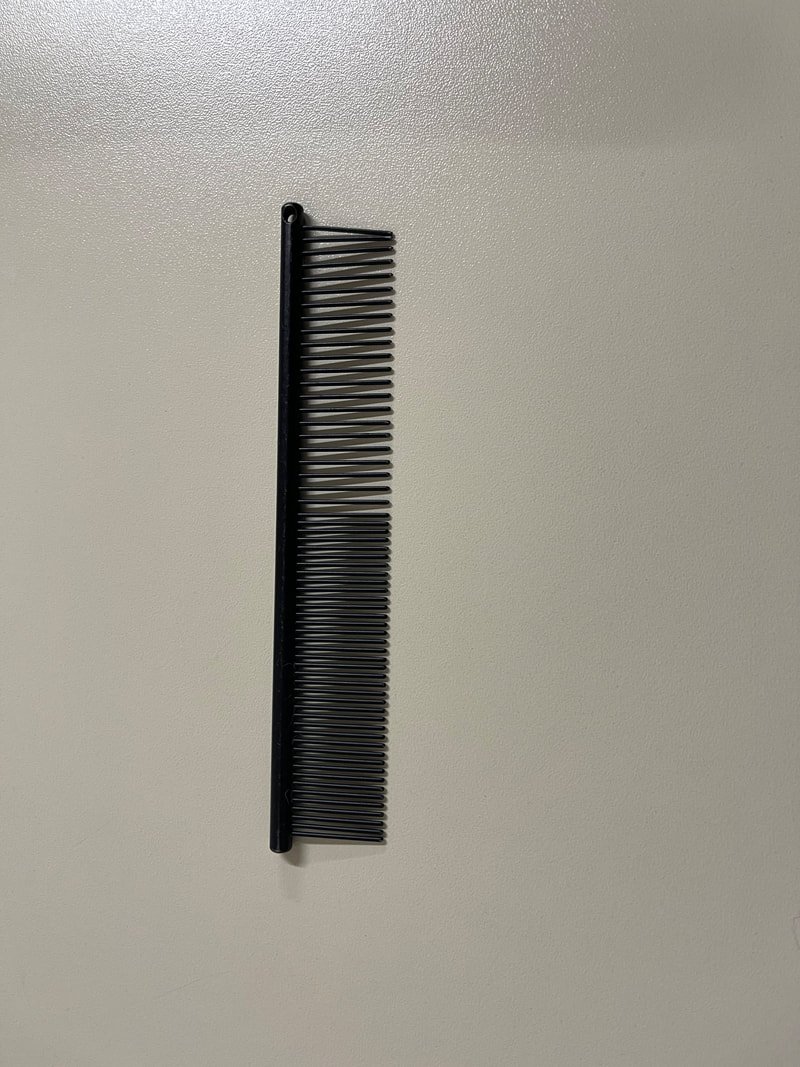
- Wide tooth combs
- Grooming combs
Using the correct grooming tools and maintaining a regular brushing routine will help keep your dog’s coat healthy, comfortable, and free from painful matting.
  |
  |
  |
Written by We Love Dogs Care Team
Our passionate resort carers, Doggy Doaters, and canine specialists dedicated to providing 7-star boutique dog boarding, health care, and advice in Melbourne.